The City received 800+ development applications in 2024 alone — a sign of increased investor and developer confidence under new policies.
By Staff Writer — CityWorks Toronto
Despite higher interest rates, construction cost pressures and economic uncertainty across much of Canada, Toronto experienced a notable surge in development activity in 2024.
According to City Planning data, the City of Toronto received more than 800 development applications over the course of the year, spanning residential, mixed-use and employment projects. For a city navigating both a housing shortage and broader economic headwinds, the volume itself tells a story: confidence in Toronto’s long-term growth remains strong.
A Rebound in Developer Confidence
Development applications are often a leading indicator of economic sentiment. Developers commit significant capital long before a shovel ever hits the ground, making application volumes a useful measure of confidence in policy stability, market demand and municipal approval processes.
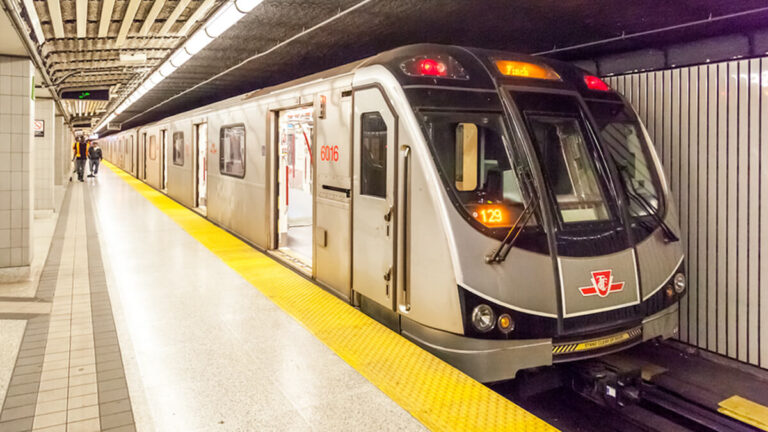
In 2024, Toronto’s application numbers reflected renewed momentum following a slower post-pandemic period. Projects ranged from small-scale infill developments to large, transit-oriented communities — particularly along major corridors and near subway and rapid transit stations.
City officials attributed this rebound to a combination of clearer planning rules, targeted housing policies and a more predictable approvals environment.
Policy Certainty Matters
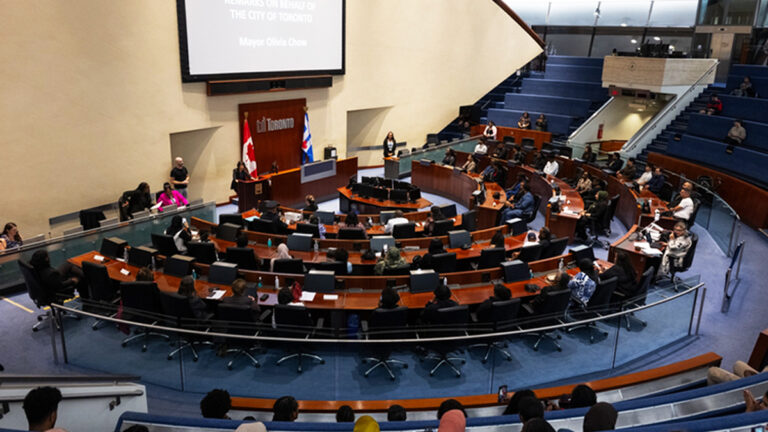
Under Mayor Olivia Chow, the city emphasized policy clarity and consistency — an important signal to developers operating in a complex regulatory environment.
Key factors influencing application growth in 2024 included:
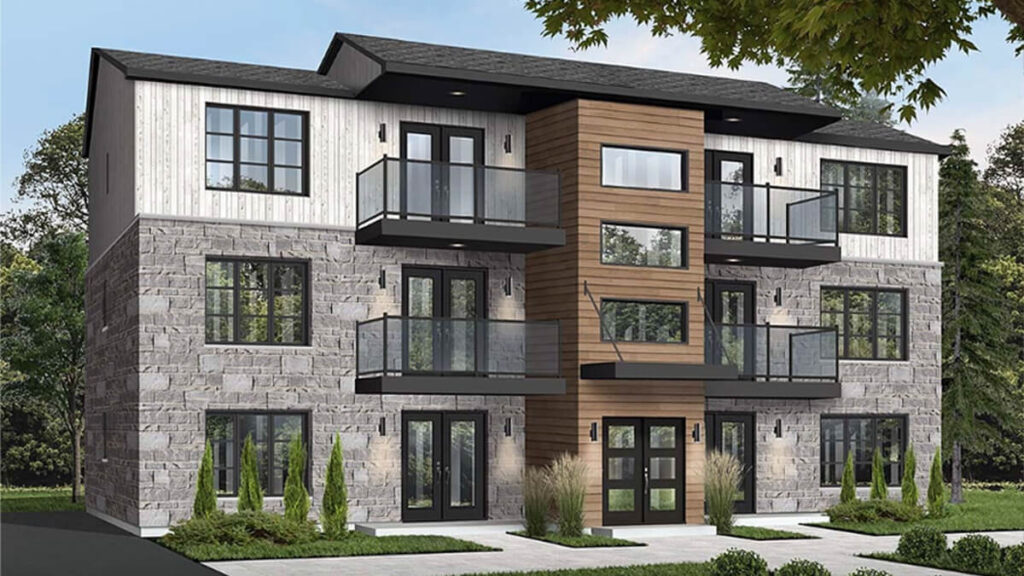
- Continued implementation of as-of-right zoning for multiplex housing in low-rise neighbourhoods
- Support for mid-rise and gentle density along avenues and transit corridors
- Alignment with provincial housing targets while maintaining local planning oversight
Rather than sweeping deregulation, the city focused on making existing rules clearer and more navigable — reducing uncertainty for applicants and city staff alike.
Housing Supply at the Core
While development applications included commercial and institutional projects, housing dominated the 2024 pipeline. Purpose-built rental buildings, mixed-use developments and condominium proposals made up the majority of submissions.
This aligns with the city’s broader housing strategy, which aims to increase supply across multiple housing types — from family-sized units to rentals suitable for seniors and young professionals.
Importantly, many applications reflected long-term investment horizons, signalling that builders expect Toronto’s housing demand to remain strong even amid short-term market fluctuations.
Scarborough and Etobicoke See Activity
Development interest was not limited to the downtown core. In both Scarborough and Etobicoke, applications increased near transit corridors, major avenues and designated growth centres.
These projects often focus on mid-rise and mixed-use formats — adding homes while supporting local retail, services and employment. For residents, this approach aims to balance growth with neighbourhood character, while improving access to transit and amenities.
A More Predictable City Hall
Behind the scenes, improvements in staffing levels at City Planning and related divisions also played a role. As the city rebuilt its workforce through 2024, application processing capacity improved, helping prevent backlogs that can discourage investment.
While approvals timelines remain a challenge — particularly for large, complex projects — the overall direction has been toward greater predictability and accountability in how applications are reviewed.
For developers, lenders and builders alike, predictability often matters as much as speed.
Looking Ahead
Receiving over 800 development applications in a single year does not mean all projects will be built — nor does it solve Toronto’s housing challenges overnight. But it does indicate a city that remains attractive for long-term investment, even in uncertain economic conditions.
As Toronto continues to balance growth with affordability, infrastructure capacity and community needs, 2024 stands out as a year when confidence returned to the planning pipeline.
For residents across the city, that confidence matters — because every well-planned application represents potential homes, jobs and neighbourhood investment in Toronto’s future.