New streetcars, modernized infrastructure and targeted upgrades are helping improve reliability and capacity across Toronto’s streetcar network.
By Staff Writer — CityWorks Toronto
Toronto’s streetcar system is one of the largest and most complex in North America — and also one of the most infrastructure-intensive. By the time Mayor Olivia Chow took office in July 2023, the system was facing growing reliability challenges driven by aging track, power limitations, vehicle availability issues and the cumulative effects of pandemic-era deferrals.
Between 2024 and into 2025, the City of Toronto and the TTC began making visible progress: expanding the streetcar fleet, modernizing core infrastructure, and restoring service levels on key routes.
More Streetcars on the Road
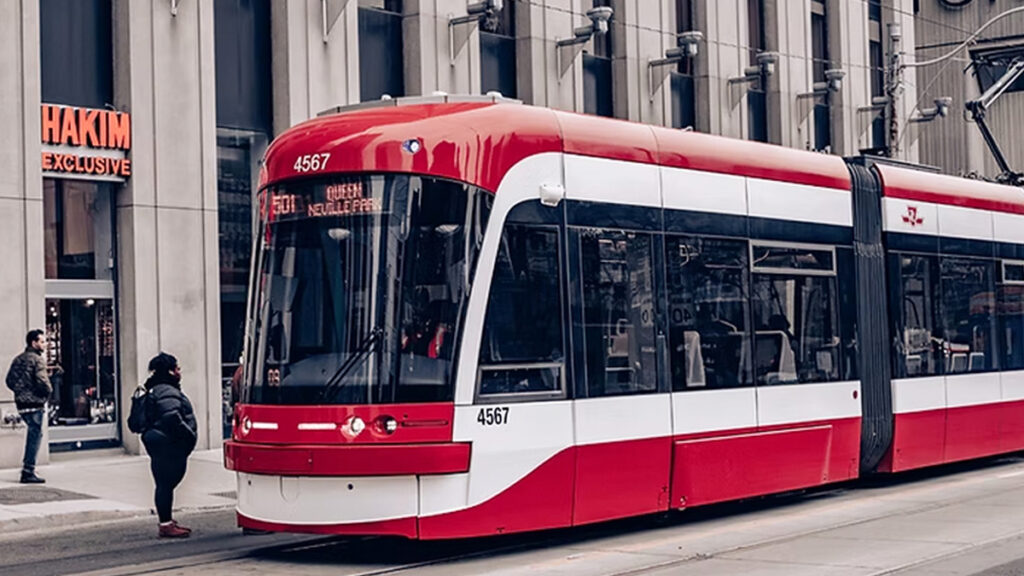
A central piece of the TTC’s strategy has been increasing the number of low-floor streetcars available for daily service.
By 2024, the TTC had received the full complement of new low-floor streetcars ordered to replace the legacy CLRV and ALRV fleets. As reliability of the newer vehicles improved and maintenance programs matured, more streetcars were placed into regular service.
This allowed the TTC to:
- Increase capacity on busy routes
- Reduce service gaps caused by vehicle shortages
- Improve accessibility for riders using mobility devices, strollers and wheelchairs
By 2025, the fleet was supporting more consistent service on major corridors such as King, Queen, Spadina and St. Clair.
Power and Overhead Upgrades
Streetcar reliability is not just about vehicles — it depends heavily on power and overhead systems, many of which date back decades.
Through 2024 and 2025, the TTC continued work to modernize overhead wiring and power systems, including the transition to pantograph-compatible infrastructure. Pantographs — now standard on TTC streetcars — provide more reliable electrical contact than traditional trolley poles and reduce wear on overhead wires.
These upgrades help prevent service interruptions and allow vehicles to operate more smoothly, particularly in winter conditions.
Track Renewal and Corridor Reconstruction
Another major focus has been track replacement and road reconstruction along key streetcar corridors.
Projects such as the King–Queen–Queensway–Roncesvalles (KQQR) reconstruction, along with ongoing work on Queen Street and other routes, addressed aging track, underground utilities and road surfaces in a coordinated way.
While these projects temporarily disrupted service, they were designed to deliver long-term benefits:
- Smoother, quieter rides
- Reduced derailments and maintenance-related delays
- Improved reliability for decades to come
The city’s approach emphasized rebuilding infrastructure once — properly — rather than repeatedly patching failing assets.
Expanded Maintenance and Storage Capacity
Supporting a larger, more modern fleet also required investments behind the scenes.
The TTC continued upgrades at Leslie Barns and other facilities to improve maintenance capacity and vehicle storage. These investments help reduce downtime, improve response times for repairs, and ensure more vehicles are available during peak periods.
By strengthening its maintenance base, the TTC improved its ability to keep streetcars in service consistently — a key contributor to reliability.
Service Reliability as a Priority
Mayor Chow and city council consistently emphasized that transit investment is not only about expansion, but about making existing service work better.
Streetcar upgrades were integrated into the city’s broader transit recovery strategy, alongside subway and bus service improvements. Budget decisions through 2024 and 2025 protected operating funding needed to translate capital upgrades into real, day-to-day service gains.
For riders, this meant fewer short turns, more predictable headways and improved confidence that streetcars would arrive when expected.
Progress in a Complex System
Streetcar systems are inherently challenging to operate in mixed traffic, and not every issue has been resolved. Construction, weather and traffic congestion continue to affect performance.
But by 2025, the direction was clear: Toronto is reinvesting in the foundations of its streetcar network, pairing new vehicles with the infrastructure needed to support them.
For neighbourhoods across the city — including those without subway access — these improvements matter. Streetcars remain a vital part of Toronto’s transit fabric, and the city’s renewed focus on fleet growth and infrastructure renewal signals a long-term commitment to making them work better for everyone.