After three years of dedicated volunteer work, High Park’s oak savannah ecosystem is thriving again with native plants and wildlife returning to the area.
By Staff Writer — Toronto Good News Daily
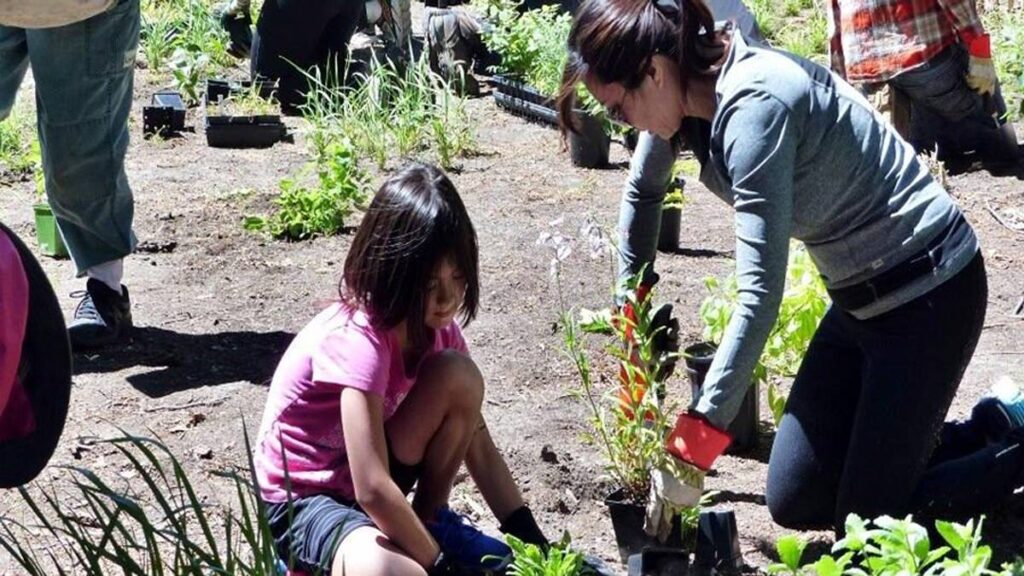
On any given weekend morning, before much of the city is awake, volunteers fan out across High Park carrying gloves, buckets and hand tools. Their work is quiet and methodical — removing invasive plants, tending native species and restoring one of Toronto’s most ecologically significant landscapes.
After three years of sustained restoration efforts, the results are increasingly visible. High Park’s rare oak savannah ecosystem is rebounding, with native plants re-establishing themselves and wildlife returning to areas where it had largely disappeared.
A Rare and Fragile Ecosystem
Oak savannahs are among the rarest ecosystems in North America. Characterized by open-grown oak trees, native grasses and wildflowers, they support a wide range of birds, pollinators and small mammals.
High Park contains one of the largest and most intact remnants of this ecosystem in Ontario — but for decades, it was under threat from invasive species, soil compaction and human pressure.
Without intervention, native plants struggled to survive, and biodiversity steadily declined.
Volunteers at the Heart of the Work
The High Park Restoration Project is powered largely by volunteers, working in partnership with City of Toronto staff and environmental organizations.
Over the past three years, volunteers have focused on:
- Removing invasive species such as dog-strangling vine and garlic mustard
- Planting native grasses, wildflowers and shrubs
- Protecting young plants during critical growth periods
- Monitoring plant and wildlife recovery
Thousands of volunteer hours have gone into this work — often in all weather, across multiple seasons.
Signs of Recovery
By 2024 and into 2025, the impact of these efforts became increasingly clear.
Native plants such as big bluestem, wild lupine and prairie grasses have expanded their footprint. Pollinators, including bees and butterflies, are appearing in greater numbers. Birds that rely on savannah habitats are being spotted more frequently in restored areas.
While ecological restoration is a long-term process, these early indicators suggest the ecosystem is moving in the right direction.
Balancing Access and Protection
High Park is one of Toronto’s most heavily used public spaces, welcoming millions of visitors each year. One of the challenges of restoration has been balancing public access with ecological protection.
Designated pathways, fencing around sensitive areas and clear signage have helped guide visitors while allowing restoration work to take hold. Public education has been a key part of the project, helping park users understand why certain areas are protected and how their actions can support recovery.
A Model for Urban Environmental Stewardship
The High Park Restoration Project demonstrates what is possible when community commitment and city support align.
Rather than relying solely on large-scale interventions, the project emphasizes consistent, hands-on stewardship — a model that can be replicated in parks and natural areas across Toronto.
It also highlights the role urban parks play beyond recreation: as living ecosystems that contribute to biodiversity, climate resilience and community well-being.
Looking Ahead
Restoration at High Park is ongoing. Native species take time to establish, and invasive plants require constant management. But after three years of steady effort, the progress is undeniable.
For volunteers, the reward is seeing landscapes change season by season.
For visitors, it’s experiencing a park that feels more alive.
For the city, it’s proof that urban nature can be protected and restored — even in the heart of Toronto.
Sometimes, the most hopeful stories grow slowly. One plant, one pollinator, one volunteer shift at a time.